
Contents
Overview
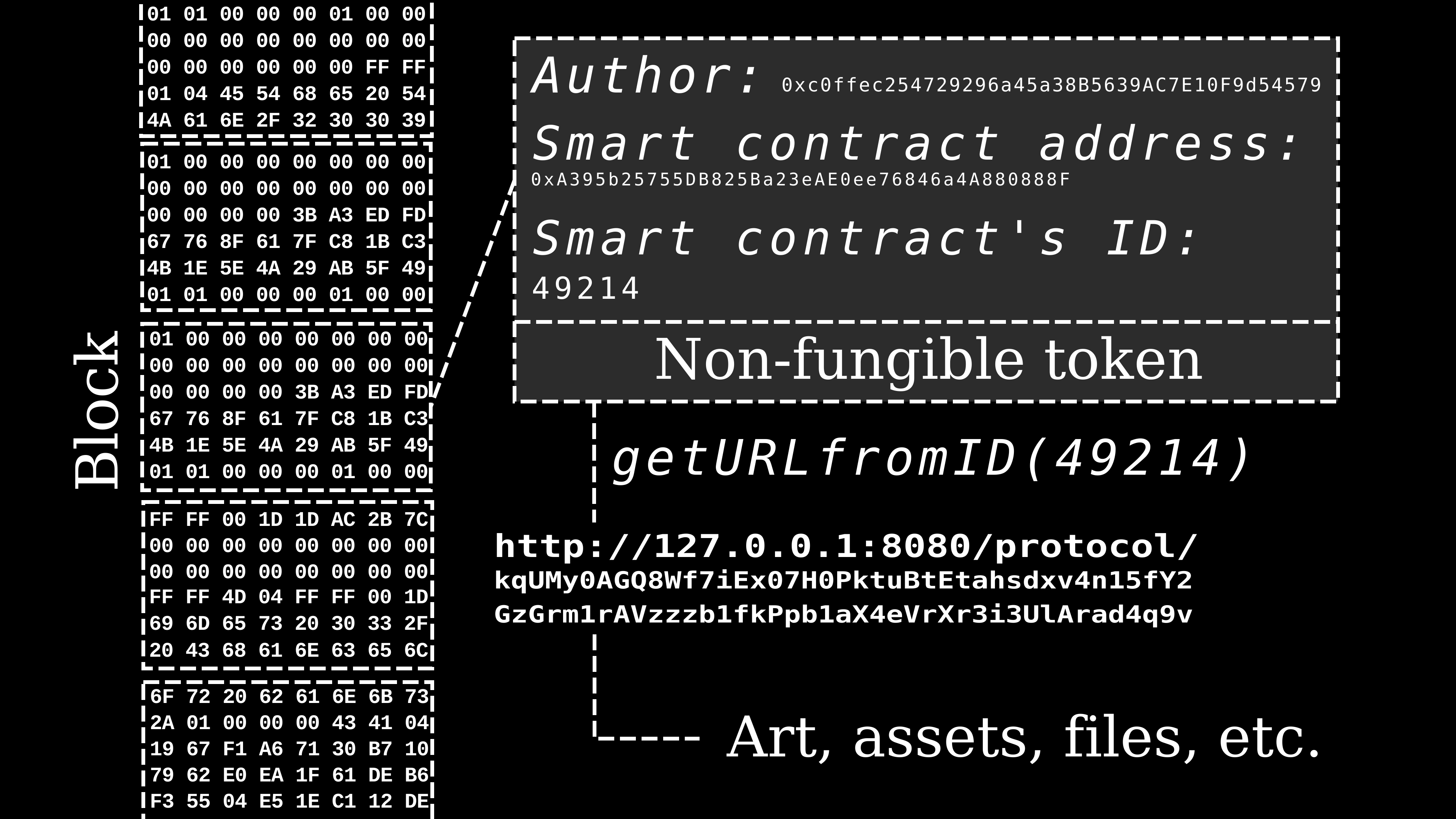
An NFT, or non-fungible token, is a unique digital identifier recorded on a blockchain that certifies ownership and authenticity of digital assets, such as artworks, photos, videos, and audio, differing from cryptocurrencies in their uniqueness and inability to be copied or subdivided. NFTs can be used to represent ownership of a wide range of digital assets. The NFT market continues to evolve, with a growing interest in NFT market trends and analysis.
📖 Definition & Core Concept
An NFT is a unique digital identifier that is recorded on a blockchain, such as Ethereum or Polygon, and is used to certify ownership and authenticity of digital assets, such as artworks, photos, videos, and audio. This uniqueness is what sets NFTs apart from cryptocurrencies, which are fungible and can be copied or subdivided.
🔬 How It Works (Mechanics)
The mechanics of NFTs involve the creation of a digital token that is stored on a blockchain, which allows for the verification of ownership and transfer of the token. This process is facilitated by smart contracts, which are self-executing contracts with the terms of the agreement written directly into lines of code.
📊 Key Facts, Numbers & Statistics
NFTs can be used to represent ownership of a wide range of digital assets, including artworks, photos, videos, and audio. The NFT market continues to evolve, with a growing interest in NFT market trends and analysis.
🌍 Real-World Examples & Use Cases
Real-world examples of NFTs include digital artworks and in-game items, which demonstrate the versatility of NFTs and their potential applications in various industries, including gaming and art.
📈 History & Evolution
The NFT market continues to evolve, with a growing interest in NFT market trends and analysis. However, some experts believe that NFTs have the potential to revolutionize the way we think about ownership and scarcity in the digital world.
⚡ Current State & Latest Developments
The current state of the NFT market is one of uncertainty, with many questioning the value and utility of these digital assets. However, the market continues to evolve, with a growing interest in NFT market trends and analysis.
🔮 Why It Matters & Future Outlook
The future outlook for NFTs is uncertain, but some potential use cases include the creation of unique digital experiences, such as virtual reality environments, and the development of new business models, such as subscription-based services.
🤔 Common Misconceptions
Common misconceptions about NFTs include the idea that they are only for digital art, when in fact they can be used to represent ownership of a wide range of digital assets.
Key Facts
- Origin
- Blockchain technology
- Category
- definitions
- Type
- concept
- Format
- what-is
Frequently Asked Questions
What is an NFT?
An NFT, or non-fungible token, is a unique digital identifier recorded on a blockchain that certifies ownership and authenticity of digital assets. For example, NFTs can be used to represent ownership of a wide range of digital assets, including artworks, photos, videos, and audio.
How do NFTs work?
NFTs involve the creation of a digital token that is stored on a blockchain, which allows for the verification of ownership and transfer of the token. This process is facilitated by smart contracts, which are self-executing contracts with the terms of the agreement written directly into lines of code.
What are some examples of NFTs?
What is the current state of the NFT market?
The current state of the NFT market is one of uncertainty, with many questioning the value and utility of these digital assets. However, the market continues to evolve, with a growing interest in NFT market trends and analysis.
What are some potential use cases for NFTs?
Potential use cases for NFTs include the creation of unique digital experiences, such as virtual reality environments, and the development of new business models, such as subscription-based services.
What are some common misconceptions about NFTs?
Common misconceptions about NFTs include the idea that they are only for digital art, when in fact they can be used to represent ownership of a wide range of digital assets.